Why Everyone is Buying the Sr60E Sr60 (Full Review)
I've owned both the Sr60E and the Sr60 for several months now, and after spending evenings listening, traveling with them, and pairing them with everything from my phone to a dedicated DAC/amp, I wanted to share my experience. These headphones have a curious combination of qualities that made me reach for them repeatedly, while also revealing a few small frustrations that only became obvious after extended use. In this review I'll walk through build and comfort, the sound signature for different music styles, practical daily use, a direct comparison between the two models, pros and cons, a buying guide for deciding which one fits you, and my final thoughts.
Introduction: Why I bought them and how I tested them
I picked up both models because I saw them pop up in discussions about great-sounding, value-oriented headphones that aren’t blindly hyped. I wanted to know whether the buzz was deserved, and whether the Sr60E represented a meaningful upgrade over the Sr60. Over the past few months I’ve used them at home for focused listening sessions (classical, jazz, acoustic), during light editing work, and while commuting on quieter mornings. I also tested them with different sources: a smartphone with a modest headphone output, a laptop, and a small desktop DAC/amp. My impressions below come from that range of real-world use rather than a single lab-style measurement session.
Build quality and comfort
When I first unboxed both pairs, the build immediately felt honest — not flashy, but solid where it counts. The headband on each is modestly padded and covered in a soft, slightly textured material that didn't irritate my skin over prolonged sessions. The ear cups are lightweight, which is one of the reasons I could wear them for hours without feeling fatigued. I noticed that the Sr60E feels marginally more refined in its finishing; small metal accents and a neater seam on the headband give it a slightly more premium presentation.
Comfort-wise, I appreciated how the clamp force was balanced — snug enough to stay put, loose enough to avoid soreness after long listening sessions. One thing I noticed was that the ear pads run a touch on the shallower side, so if you have larger ears you may feel them touch the driver housing after three to four hours. I swapped pads between the two and found that a thicker memory-foam pad made long sessions more comfortable, but out of the box most people will be fine for typical use.
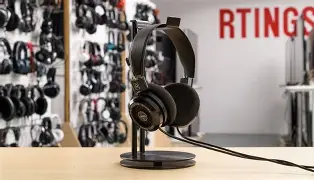
The cables deserve a short paragraph. The Sr60E I used had a detachable cable with a tactile, braided sheath that resisted tangling more than expected. The Sr60's cable on my older unit was fixed and slightly rubbery; it worked fine, but it didn’t feel as premium. I prefer detachable cables — it makes replacing a damaged cable or upgrading to a balanced cable effortless.
Sound signature: What I heard
Sound is where the differences between the two models become most interesting. Both headphones have a clear focus on musicality and listenability, but they take different tacks.
Bass
What I found was that the Sr60E has a fuller bass presence compared with the Sr60. It’s not exaggerated — rather, it’s controlled and slightly more pronounced, which gives pop and electronic music a satisfying weight. Kick drums have a clean punch and synth bass lines land with authority without bleeding into the mids. The Sr60 is leaner in the low end; bass is present but more restrained, which makes it feel faster and a touch airier.
Shop the latest Audio & Headphones picks on Amazon.
Browse Now →Mids
In my experience, both headphones present vocals and midrange instruments with a warmth that I loved for acoustic and vocal-heavy tracks. The Sr60E's slightly thicker low end gives vocals a bit more body, while the Sr60's neutrality lets details in the upper mids sing through more clearly. I find the Sr60E better for intimate singer-songwriter music; the Sr60 reveals production details that I hadn’t noticed before on certain recordings.
Treble
Treble handling was where I paid close attention, because harshness is a quick deal-breaker for me. The Sr60E leans toward a smoother treble response, which makes hi-hats and cymbals sound polished and non-fatiguing even during long listening sessions. The Sr60 can be a hair brighter — that extra energetic top end translates to excellent perceived detail but can be slightly fatiguing on poorly mastered tracks. I was surprised by how forgiving the Sr60E was on rough high-frequency recordings.
Soundstage and imaging
Neither is going to rival open-backed reference headphones for soundstage, but I noticed that the Sr60 has a slightly wider, mor…Dynamics and resolution
Both models handle dynamics nicely for their class. The Sr60 responds quickly to transient information, which is why drums and plucked instruments sound lively. The Sr60E’s added warmth means it sometimes feels like it has more "oomph" in the mid-bass, which can give the illusion of greater dynamic impact. When I connected them to a better DAC/amp, resolution improved noticeably on both; pairing matters more than you'd expect if you want to squeeze the most detail out of them.
Practical daily use
I took these on commutes and used them for phone calls as well. Passive isolation is moderate — they block enough ambient noise to keep you immersed in quieter environments but won't cut out bus or subway noise entirely. For phone calls, the built-in mic cable (if your unit includes it) is functional; I was able to take calls without complaints, though I wouldn't call them studio-quality for conferencing.
Portability: I noticed the Sr60E folds flatter and the detachable cable makes it easier to pack. The Sr60, being more fixed in its cable and slightly bulkier, felt more like a desk headphone to me. If you travel often and want one pair to cover both home and travel, the Sr60E is the more convenient option.
Discover deals on Audio & Headphones — updated daily.
View Offers →Comparison: Sr60E vs Sr60
| Feature | Sr60E | Sr60 |
|---|---|---|
| Sound signature | Warmer overall, fuller bass, smoother treble | More neutral, slightly brighter treble, leaner bass |
| Comfort | Lightweight, slightly shallower pads by default | Comfortable, marginally deeper ear cup feel |
| Cable | Detachable braided cable (my unit) | Fixed cable (my unit) |
| Soundstage | Narrower, more intimate | Wider, better instrument separation |
| Best for | Pop, electronic, vocal intimate listening | Acoustic, classical, detail-oriented listening |
| Portability | Better — folds flatter, replaceable cable | Decent but more desk-oriented |
Pros & Cons
Sr60E
- Pros: Smooth treble and richer bass make long sessions enjoyable; detachable cable increases longevity and flexibility; overall comfortable and portable.
- Cons: Slightly shallower ear pads can be uncomfortable after very long sessions for some users; soundstage feels a bit narrower compared to the Sr60; minor warmth can mask micro-detail for critical listeners.
Sr60
- Pros: Neutral, detailed presentation with a pleasing sense of air and space; excellent instrument separation; engaging for acoustic and classical music.
- Cons: Treble can be slightly fatiguing on poor recordings; fixed cable on my unit felt less convenient; a touch less bass weight for bass lovers.
Buying guide: How to choose between the Sr60E and Sr60
If you’re on the fence, here’s how I would decide based on how I use headphones.
- Choose the Sr60E if you: Want a comfortable, slightly warm headphone for everyday music listening, travel, and long sessions. I noticed it was easier to live with day-to-day thanks to the smoother treble and detachable cable. If you prefer full-sounding pop, hip-hop, and electronic music, this one will likely be more satisfying out of the box.
- Choose the Sr60 if you: Listen to a lot of acoustic, orchestral, or jazz music and prioritize detail and soundstage over extra low-end weight. The Sr60 revealed subtle production choices that I enjoyed when listening to complex mixes.
- Try before you buy if possible: Treble sensitivity is subjective. I was surprised at how a single poorly-mastered track could make the Sr60 sound harsh, while the Sr60E walked right over it. If you can audition both with music you know well, you'll make a better choice.
- Consider your source: Both models scaled with a better source. I tested them with a phone and a modest DAC/amp — improvements in clarity and dynamics were noticeable when I used the DAC/amp. If you plan to use them only with a phone, the Sr60E's forgiving nature might suit you better.
- Pad swaps and accessories: If you intend to use them for marathon listening sessions, consider aftermarket pads that add depth and plushness. I swapped pads and found comfort improved significantly without compromising sound quality.
Real-world tips from my months of use
Here are a few things I learned the hard way and would tell a friend:
- Run-in period: I noticed a subtle change after ~40 hours of listening — the upper mids relaxed and the soundstage felt a bit more natural. If yours sound a touch bright initially, give them time.
- Cable care: If your model has a fixed cable, be mindful of where you coil it; the rubbery cable on my Sr60 became slightly kinked after rough handling. A small cable organizer helps.
- EQ gently: If you find the Sr60 a little bright on certain tracks, a slight shelf down in the upper treble (a few dB) made a dramatic improvement without dulling the music.
- Source matching: A warmer source complements the Sr60E nicely; the Sr60 benefited from a cleaner, neutral source to highlight its detail-oriented tuning.
Conclusion: Who should buy these and why
After spending months with both the Sr60E and the Sr60, I can honestly say both are excellent headphones for different reasons. The Sr60E won my heart for daily use thanks to its smoother top end, fuller bass, and practical detachable cable — it became my go-to when I wanted something forgiving and musical. The Sr60 remained my pick for focused listening sessions where I wanted to dissect mixes and enjoy a wider soundstage.
What I loved was that neither felt like a compromise when used in the right context. What I disliked were small, owner-level annoyances: the Sr60's tendency toward brightness on some tracks and the Sr60E's shallow pads for marathon listening. Those are fixable with slight EQ, pad swaps, or a better source, but they are worth factoring into your decision.
In my experience, these headphones offer a rare combination of musicality and practical everyday usability at their price point. If you value engaging, listenable sound and reliable comfort for long sessions, try the Sr60E first. If you prioritize neutrality, imaging, and revealing detail, the Sr60 is the one I'd recommend testing with your favorite reference tracks. Either way, after using both for months I can see why people are excited about them — they deliver a lot of the joy that makes headphone listening addictive, without demanding a large investment or a complicated setup.